Paying Independent Contractors Through a Third Party Network like Venmo® or Zelle®? Know Your IRS Reporting Requirements

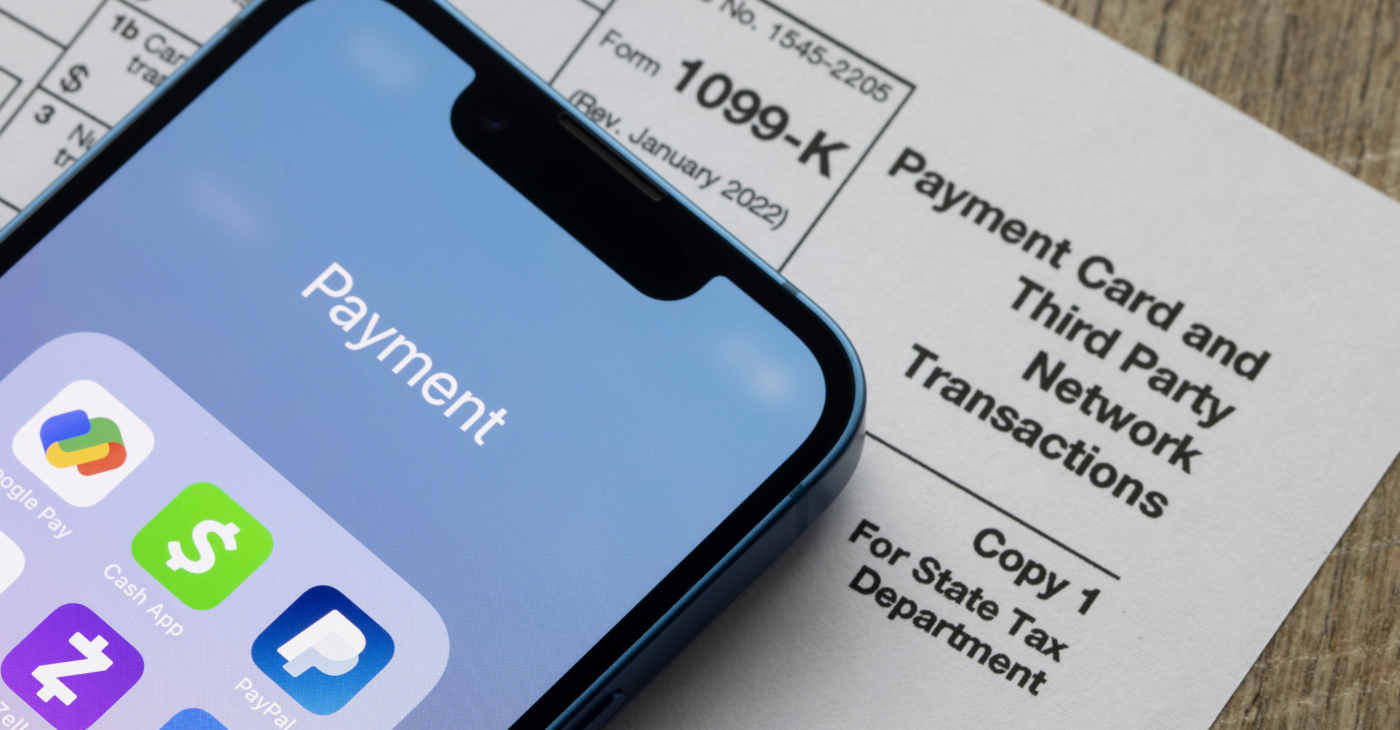
IRS requirements for digital payments focus on reporting business transactions made through payment apps, online marketplaces, and payment card processors using Form 1099-K. There are 2 types of payment settlement entities (PSEs), Third-Party Settlement Organizations (TPSOs) such as PayPal, Venmo, Square, Stripe and merchant acquiring entities typically banks or financial institutions that handle card-based payments (credit/debit cards). Both groups must process and settle payment transactions between payees and customers and depending on the purpose and/or amount may be required to report these transactions to the IRS and the recipient. It is important to understand the two different types of (PSEs) because each has a different reporting threshold.
As a small business owner, you most likely rely on digital payment services through third party networks like Paypal®, Venmo® or Zelle® to pay certain contractors and expenses. When do you need to report payment transactions to the IRS, and how can you do so accurately?
Types of payments – First of all, any IRS reporting requirement only applies to payments to businesses for goods and services – Neither you nor the payment settlement entities are required to report personal transactions such as payments to friends and family for sharing the dinner bill or repaying an acquaintance the $20 you borrowed.
Independent contractor payments with Zelle® – Unlike other third party networks or payment card processors, Zelle® does not settle funds, instead, it acts as a messaging service between financial institutions and individuals. The lack of funds settlement functions means that Zelle® has different reporting requirements compared to other types of payment processing firms. What this means for you is that it is your responsibility to issue a 1099-NEC or 1099-MISC if you’ve paid a contractor $600 or more throughout the calendar year using Zelle®.
The Form 1099-K, “Payment Card and Third-Party Network Transactions” is an information return that ensures the proper reporting of payment card and third party network transactions by Payment Settlement Entities (PSE).
Independent contractor payments with PayPal®/Venmo® – your reporting requirement depends on a couple of different factors including how the payment was tagged and what type of account profile is receiving the payment. Like all TPSOs, regardless of any minimum dollar amount or transaction limit in place at the time, PayPal®/Venmo® only has to report payments to the IRS that are being made for goods and services. When you pay a personal account, you can decide whether to tag the payment. If you issue a payment(s) that total $600 or more without properly “tagging” the payment as being for “goods and services” then you will need to issue a 1099-NEC or 1099-MISC to report the amount to the IRS and the recipient.
When you pay a business account, payment tagging is not necessary as PayPal®/Venmo® will issue the 1099-K to the IRS and your recipient since all payments sent to business profiles on PayPal®/Venmo® are tagged as purchases automatically and are therefore considered to be for goods and services.
Independent contractor payments using other third-party payment networks – your reporting requirement depends on different factors including not only how the payment was tagged and what type of account profile is receiving the payment. With Stripe®, where the account holder is based is a factor. CashApp® only issues forms to business accounts regardless of any “tagging” and Upwork® says they issue the Form 1099-K to all accounts that accepted payments processed with their network. Ultimately you want to avoid duplicate reporting of the income. You should check with the payment processing company to confirm how they treat payments made during the year using their network. Once you have verified that the payments are being reported on the Form 1099-K, you should not issue a Form 1099-NEC or 1099-MISC to report the same income.
IRS reporting rules only apply to payments for goods and services made in the course of a trade or business and depending on the processor, reporting is subject to applicable thresholds. Personal transactions—such as paying a friend back or splitting a bill—are not considered reportable and will usually not be reported to the IRS. A merchant acquiring entity PSE that processes payment card transactions (Credit / Debit Cards) i.e., Visa, Mastercard, Amex has no minimum reporting threshold. A 1099‑K is required for any amount (even $0.01). Third‑Party Settlement Organizations (TPSOs) PayPal, Venmo (business), Cash App, Stripe, Square, Etsy, eBay, Uber are only required to file a 1099-K with IRS to report the transactions when more than $20,000 in gross payments AND more than 200 transactions were processed during the calendar year.
Form 1099-K is an IRS information return used to report gross payments received for goods or services processed through payment card processors and third-party settlement organizations like PayPal or Venmo. These platforms may issue a 1099-K to report total payments processed during the year (gross), monthly breakdown of payments and number of transactions processed through their systems.
Zelle operates differently from other payment platforms because it does not process or settle funds directly. As a result, if you pay a contractor through Zelle, you are typically responsible for issuing a 1099-NEC or 1099-MISC if the payment meets reporting requirements.
Typically, payments made through platforms like PayPal or Venmo (as a business/goods & services payment) are considered third‑party settlement transactions. These are reported by the Payment Settlement Entity (PSE) on Form 1099‑K, not by you. Payments processed through a PSE are reportable on Form 1099‑K by the platform, not by the payer even if the platform ultimately does not issue a form because the reporting threshold was not met. To avoid duplicate reporting do NOT issue a 1099‑NEC if the payment categorized as for business goods or services was made via a payment card or third‑party network (PayPal, Venmo, etc.).
To avoid duplicate reporting, it’s important to track the payment methods at the transaction level. Your system/process should clearly distinguish PSE payments ie. PayPal (goods & services), Venmo (business) payments and credit/debit card payments from direct payments including check, ACH or Cash. A best practice is to add a “payment method” field in your accounting or AP system.
Updated: 07/28/2026
Free to try.
You only pay when you're ready to file.